The short version: a carrier oil is the neutral plant oil that dilutes an essential oil before it touches skin. Essential oils are highly concentrated aromatics and are never applied neat - the carrier does the spreading, slows the evaporation, and brings the concentration down to the low percentages that sensible use calls for. Our dilution calculator turns drops and millilitres into percentages for you; this guide covers the other half of the equation - the oil doing the carrying.
One honest note before the profiles: carrier oils are commodity plant oils, not miracle products. The differences between them are real - texture, scent, shelf life, how they feel on skin - but they are differences of preference, not of power. Anyone promising that a particular carrier transforms skin or health has left the territory this site is willing to defend. We describe how each oil behaves; what it does for you is a smaller, quieter claim.
What makes a good carrier
Four things separate carriers from cooking oils on the same shelf: they are sold cosmetic-grade, they are typically cold-pressed rather than solvent-extracted, they have a faint scent that will not wrestle your essential oil, and they are stable enough not to turn rancid in a month. Beyond that, choosing a carrier is mostly choosing a texture - how fast it absorbs, how much slip it leaves, and whether its own smell plays well with the blend you have in mind from our scent families guide.
The five classics
Jojoba
Technically a liquid wax rather than an oil, from the seeds of a desert shrub. It is the closest in structure to skin's own sebum, absorbs without heaviness, has almost no scent, and keeps for years - the longest shelf life of anything on this list. It is also the most expensive of the five, which is the honest reason it usually lives in small roller bottles rather than massage-sized ones.
Sweet almond
The classic massage carrier: medium weight, gentle nutty scent, enough slip for long strokes, and a friendly price for the litre bottle sizes that massage actually consumes. It carries scent well - a lavender or cedarwood blend stays present on the skin longer than in a fast-absorbing carrier. Not the one to choose with a nut allergy in the house.
Fractionated coconut
Coconut oil with the long-chain fats removed, so it stays liquid, clear and nearly scentless, and lasts far longer than virgin coconut oil. It is the workhorse for roll-ons: light, non-greasy, and neutral enough to let the essential oil speak alone. If you only ever buy one carrier, this is the practical answer.
Grapeseed
The lightest texture of the five - thin, fast-absorbing, with a barely-there scent. A by-product of winemaking, it is inexpensive and pleasant, but it has the shortest shelf life here: buy small bottles and expect months, not years. The classic choice when you want no oily afterfeel at all.
Apricot kernel
Close to sweet almond in weight but slightly lighter and softer-scented, traditionally reached for on delicate or mature skin. In practice it is a texture preference; if a shop offers one and not the other, either fills the same role in a blend.
Matching carrier to purpose
- Roll-on or pulse-point blends - fractionated coconut or jojoba: light, stable, scentless.
- Massage - sweet almond or apricot kernel: slip that lasts the length of a session.
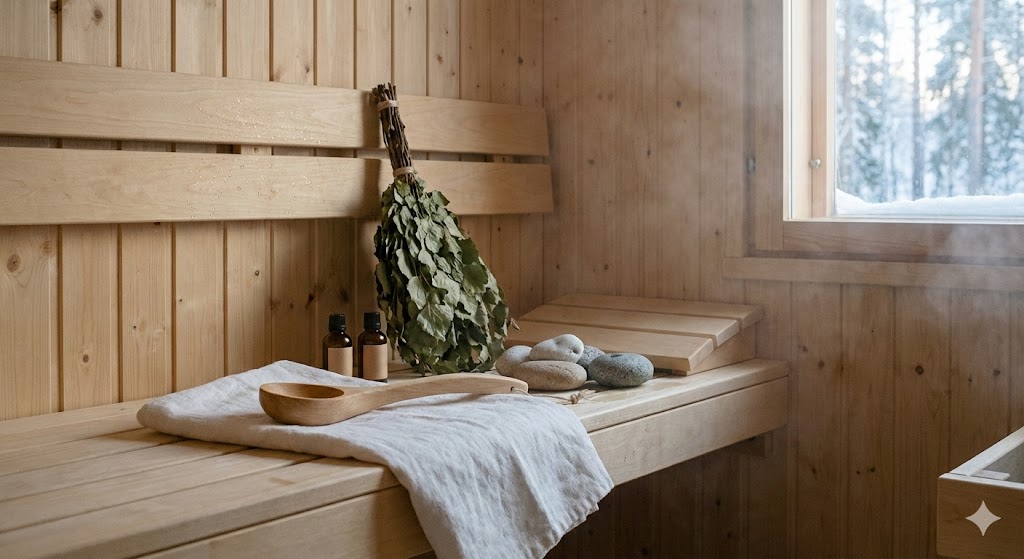
- After-sauna skin comfort - any light carrier, applied after the final rinse, once skin has cooled. A drop of lavender or pine in a spoonful of carrier extends the scent of the evening without putting anything on the hot stones that should not be there - the löyly water itself takes essential oil only, as covered in our sauna dosage guide.
- Testing a new essential oil - any carrier at all: the point of a patch test is the dilution, not the vehicle.
The dilution maths, briefly
General body use sits around 2%, which is roughly 12 drops of essential oil in 30 ml of carrier. Facial or sensitive-skin use sits at 1% or below, and our published ceiling for adults is 3% for small areas. Children's skin, pregnancy and medical conditions are outside what a fragrance article should advise on - those questions belong with a professional, not a blog. The calculator holds the same adult limits, keeps a deliberately cautious setting for children over 2, and does the arithmetic honestly.
Storage and shelf life
Carriers fail by oxidising - the smell goes flat, then crayon-like. Heat, light and air do the damage, so the rules are the same as for the essential oils themselves: dark bottle, cool cupboard, lid on tight, and buy sizes you will finish. Jojoba and fractionated coconut last years; sweet almond and apricot kernel roughly a year; grapeseed months. If a carrier smells like old paint, it is done - no essential oil will hide it, and rancid oil is unpleasant on skin.
FAQ
Q: Can I use olive or sunflower oil from the kitchen as a carrier?
A: In a pinch, on intact adult skin, a fresh cooking oil is not dangerous - but food-grade oils are pressed and stored with cooking in mind, carry their own strong scent, and go rancid faster. Cosmetic-grade carriers are inexpensive; the upgrade is worth it.
Q: Do carrier oils weaken the essential oil?
A: They dilute the concentration, which is the point - the aroma is preserved, spread over more skin and released more slowly. A properly diluted blend smells softer but lasts longer than a neat drop.
Q: Which carrier is best in the sauna itself?
A: None - carriers belong on skin after the sauna, not in the löyly water and never on the stones. In the hot room, essential oil diluted in the water bucket is the whole method, as our dosage guide explains.