Description
If the Nordic sauna tradition has one signature scent, it is pine. Steam rising off hot stones and carrying the sharp, green smell of resin and needles - that is the memory this bottle holds. Pine essential oil is steam-distilled from the needles and young twigs of Pinus sylvestris, the Scots pine, and it remains the most familiar and most reached-for sauna oil in the North. This entry covers where the oil comes from, how it really smells, exact sauna dosing, uses beyond the sauna, blending partners, and the safety facts worth knowing before your first pour.
From the Boreal Forest to the Bottle
Scots pine is the backbone tree of the northern world. It is one of the most widely distributed conifers on Earth, growing from the Scottish Highlands across Scandinavia and the Baltics and deep into Siberia, and it defines both the landscape and the smell of the boreal forest. Northern households have leaned on this tree for centuries: pine tar sealed boats and preserved wood, resin turned up in folk preparations, and fresh pine branches scented bathhouses long before anyone bottled an essential oil. In sauna culture pine is not an exotic guest - many saunas are built of pine and spruce timber - so a few drops of the oil simply deepen a scent that is already part of the room.
The oil itself is made by steam distillation. Fresh needles and twig tips go into a still, steam passes through the plant material and carries the volatile aromatics with it, and the condensed vapour separates into water and a thin, pale oil. It takes a surprising mass of needles to fill one small bottle, which is part of why genuine pine oil smells like a forest while cheap "pine fragrance" smells like a cleaning aisle. Chemically the oil is dominated by alpha- and beta-pinene, with limonene and other terpenes alongside - the same molecules a living pine forest releases into the air on a warm day.
Scent Profile: What Pine Actually Smells Like
Pine opens sharp and bright, with an almost citrus-like freshness riding on clean resin. Within a few minutes the edge softens and the heart of the scent comes forward: green needles, fresh-cut softwood, and a balsamic, faintly sweet resin note that reads unmistakably as conifer forest. The dry-down is quiet - soft woods and a mild sweetness rather than anything heavy or perfumed.
On the scent compass above, pine sits firmly in fresh, woody territory: high on freshness, moderate in weight, with none of the floral or spicy character found elsewhere in the range. One honest note: if you know "pine" mainly from household cleaners, expect something different. Those products are built on synthetic pine notes turned up to maximum; the real distilled oil is greener, drier and more natural - closer to walking through the trees after rain than to a scrubbed floor.
In the Sauna: The Nordic Classic
Pine belongs to the mild dosing tier, which makes it one of the most forgiving oils to start with. The routine:
- Fill your sauna bucket with about 500 ml of warm water.
- Add 3-5 drops of pine oil. Start with 3 in a small home sauna; 5 suits a larger room or a scent you want to lean into.
- Stir briefly so the oil disperses through the water.
- Pour over the hot stones in small ladlefuls, letting each wave of steam rise and settle before the next.
- Never pour undiluted oil onto the stones - it can flash and burn, producing acrid smoke and a fire risk instead of scent.
Pine steam suits the energetic first rounds of a session and morning or midday saunas; most people find it wakes rather than lulls. For the full sitewide dosing table, see our post on essential oil dosage for the sauna. To see how pine compares with every other oil in the range, read the complete guide to sauna scents, and for a deeper dive into this one bottle, the dedicated pine essential oil guide has you covered.
At Home: Beyond the Sauna
- Diffuser: 3-5 drops in the water reservoir bring a clean forest note into a workroom or living room. Pine reads as fresh air rather than perfume, so it suits daytime use.
- Body oil: dilute to roughly 2% - about 12 drops per 30 ml of a carrier oil such as jojoba or sweet almond - for a brisk, foresty massage oil. Patch test first, and only use fresh, recently opened oil on skin.
- Linen and room spray: stir 15-20 drops into 20 ml of high-proof unscented alcohol and top up to 100 ml with water, then mist curtains, bedding or the entryway. Shake before each use.
- Shower steam: place 2-3 drops on a damp washcloth on the shower floor, away from the direct water stream for a short burst of forest steam - a small everyday nod to the sauna.
Blending Guide
Pine is a generous blender: it gives structure to lighter oils and freshness to heavier ones. The ratios below work in a 500 ml sauna bucket or a standard diffuser - keep the total drop count within the range of the stronger oil in the pair rather than stacking full doses of both oils.
| Partner Oil | Suggested Ratio | The Mood It Makes |
|---|---|---|
| Spruce | 1:1 | The full Nordic forest - crisp, green and completely at home in a sauna. |
| Cedarwood | 2:1 pine to cedarwood | Warm woodland calm; the resin brightness settles onto a soft, dry wood base for evening sessions. |
| Eucalyptus | 2 drops pine + 1 drop eucalyptus | Maximum freshness - a cool, wide-open steam many sauna-goers save for the first round. |
| Lemon | 1:1 | Bright and optimistic; lemon lifts the resin into something sunny and almost sparkling. |
| Lavender | 1:1 | The forest softened - a rounder, gentler steam for late in a session as the heat winds down. |
All five partners belong to our twenty-four-oil range - you can browse the full line-up in the shop.
Key Characteristics
| Feature | Description |
|---|---|
| Aroma Profile | Fresh, crisp and resinous, with green needle notes, a balsamic woody heart and a clean, slightly sweet finish. |
| Intensity | Medium-high - fresh and penetrating, yet forgiving in the mild dosing tier (3-5 drops per 500 ml of sauna water). |
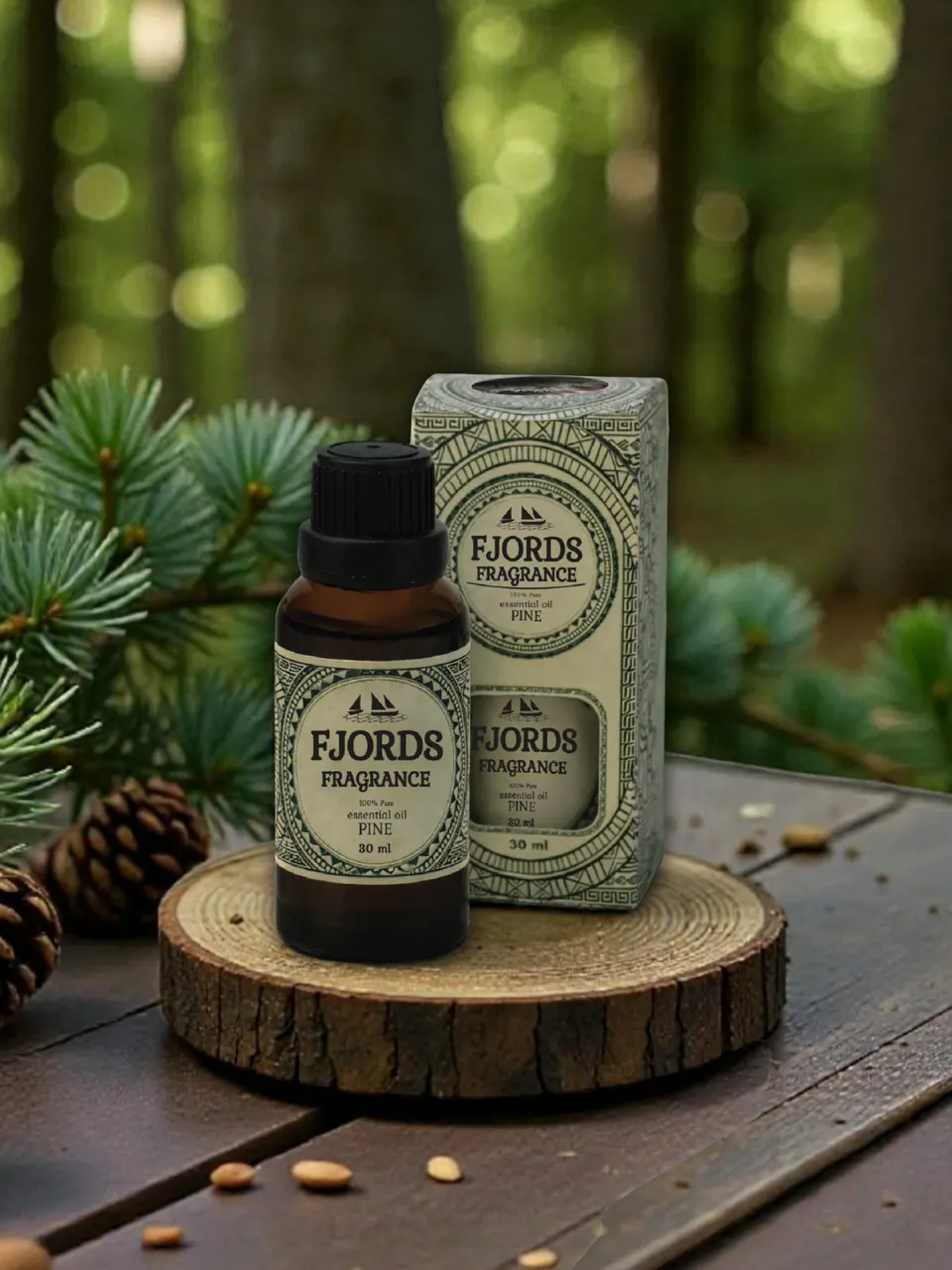
| Volume | 30 ml in UV-protective dark glass with a dropper. |
| Origin | 100% pure Pinus sylvestris (Scots pine), steam-distilled from needles and twigs harvested in northern European forests. |
| Shelf Life | 2-3 years unopened; best within about a year of opening, as pine-family oils oxidise once air gets in. |
Storage and Quality
Pinene-rich oils are among the quicker essential oils to oxidise, and oxidised pine oil both smells worse and is harsher on skin. Keep the bottle tightly capped in a cool, dark place - a cupboard well away from the sauna heater or a sunny windowsill - and close it promptly after each use so fresh air spends as little time inside the bottle as possible. Trust your nose: fresh pine oil smells green and resinous, while an oil past its best turns flat, sour or varnish-like. When that happens, replace it; the change is chemical, not just cosmetic.
Our pine oil is a single-botanical product: 100% Pinus sylvestris, nothing added, no synthetic pine notes and no dilution. Dark glass and a built-in dropper keep dosing precise, which matters more with sauna oils than with almost any other use.
Safety Information
- Never ingest. Pine oil, like every oil in our range, is for aromatic and properly diluted topical use only.
- Dilute for skin. Keep to around 2% in a carrier oil, patch test, and use fresh oil - oxidised pine oil is a known skin sensitiser.
- Allergies. If you react to pine resin or colophony, be cautious with this oil and speak to a doctor before use.
- Pets. Many essential oils are harmful to animals, and cats are especially vulnerable because they cannot break down certain compounds. Diffuse only in ventilated rooms animals can leave freely, never apply oils to a pet, and store bottles well out of reach. Pine oil itself is on the lists of oils toxic to cats.
- Children and pregnancy. Keep oils away from young children, and ask a midwife or doctor before regular use during pregnancy.
- An honest word: pine steam is traditionally valued in Nordic bathing culture, and many people find it clearing and comforting - but it is a scent, not a treatment. For any health question, consult a qualified specialist.
Frequently Asked Questions
Q: How many drops of pine oil should I use in the sauna?
A: 3-5 drops mixed into about 500 ml of warm water, poured over the stones in stages. Pine is a mild-tier oil, so it is forgiving - but start at 3 drops in a small sauna and adjust from there.
Q: What is the difference between pine and spruce essential oil?
A: Pine (Pinus sylvestris) is richer, more resinous and more balsamic; spruce (Picea abies) is lighter, greener and a touch sweeter. For the classic robust sauna scent choose pine, for something airier choose spruce - or blend them 1:1 for the full forest.
Q: Can I pour pine oil directly onto the sauna stones?
A: No. Undiluted oil can flash and burn on hot stones, producing smoke and a fire risk instead of scent. Always dilute the drops in water first and pour gradually.
Q: Why doesn't this smell like pine-scented cleaning products?
A: Because those are built on concentrated synthetic pine notes. Steam-distilled Scots pine oil is greener, drier and more subtle - closer to the smell of a real forest than of a mopped floor. That difference is the point.
Q: Does pine oil help with colds or breathing?
A: Pine steam has been traditionally valued in Nordic bathing culture, and many people find the fresh, open-air scent comforting when they feel stuffy. It is a comforting scent, not a treatment - for breathing problems or any other health concern, consult a doctor.
Q: How do I know when my pine oil has gone off?
A: Smell it. Fresh pine oil is green and resinous; an oxidised one turns sour, flat or varnish-like. Keep the cap tight, store it cool and dark, and aim to use the bottle within about a year of opening - oxidised oil is also more likely to irritate skin.
Q: Is pine essential oil safe around pets?
A: Treat it with the same caution as any essential oil: harmful if swallowed, risky for cats in particular, and best diffused only in ventilated rooms an animal can leave. Never apply it to a pet, and if in doubt, ask your vet.