Description
Few scents change the feel of a room as quickly as fresh lemon zest. Sharp, sparkling and unmistakably clean, lemon essential oil is the brightest point in our range - the oil to reach for when a sauna, a kitchen or a working day needs opening to fresh air. This is the complete reference for it: origin, honest scent profile, exact sauna dosing, home uses, blending partners and safety - including the photosensitivity warning every citrus oil deserves.
What It Is: Sunshine, Cold-Pressed
Lemon essential oil comes from the peel of Citrus limon. The lemon tree is not originally Mediterranean at all - it descends from wild citrus of South Asia and travelled west through Persia and the Arab world, reaching southern Europe around the Middle Ages. The groves of Sicily, the Amalfi coast and southern Spain have defined the world's idea of lemon ever since, and that is where the fruit for our oil is grown and pressed.
Unlike most essential oils, lemon is not steam-distilled. It is cold-pressed (the traditional term is "expression"): the fresh peel is mechanically pierced and pressed so the tiny oil pockets in the rind release their contents. No heat is involved, which is why the oil smells so true to the living fruit - the fragile top notes that heat would flatten survive intact. It takes the peels of dozens of lemons to fill one 30 ml bottle.
Chemically, the oil is dominated by limonene - roughly two thirds of the bottle - supported by beta-pinene and gamma-terpinene. That simple, volatile chemistry explains almost everything about lemon oil: the instant brightness, the short life in the air, the shorter shelf life, and its long career opening eau de cologne compositions since the 1700s.
Scent Profile: Sharp, Sparkling, Short-Lived
Real lemon oil smells like freshly grated zest, not lemon candy and not dish soap. It opens sharp and sugarless, with a fine bitter edge from the pith and a faintly green, prickly freshness. On the scent compass above it sits at the fresh citrus pole: maximum brightness, minimal warmth or sweetness.
An honest note on longevity: lemon is a pure top note. It announces itself instantly and leaves early - in a warm room the scent softens within the hour, and on sauna stones each ladle gives you minutes, not tens of minutes. That is normal for every genuine citrus oil and a feature to work with, not a flaw: dose in stages, or anchor it with a slower partner such as cedarwood or pine.
In the Sauna
Lemon sits in the citrus tier of our sitewide dosing scale - 3-4 drops, just below lavender and the conifer oils. The routine is simple:
- Step 1: Fill your sauna bowl or bucket with about 500 ml of warm water.
- Step 2: Add 3-4 drops of lemon oil. Start with 3 if it is your first time - you can always add more.
- Step 3: Stir well. Essential oils do not dissolve in water, so give the mix a quick stir before every ladle.
- Step 4: Ladle small amounts over the hot stones in stages, letting each wave of steam develop before the next.
- Step 5: Never pour pure, undiluted oil onto hot stones - neat oil can flash on contact and gives a harsh, acrid vapour.
Because the citrus burst is short-lived, spread your scented water across several rounds rather than emptying the bowl at once. This is the definitive morning sauna oil: clean, wide-awake steam without heaviness. See the full walkthrough in our lemon essential oil sauna guide, the sitewide rules in essential oil dosage for sauna, and how lemon compares to the other oils in the complete guide to sauna scents.
At Home
Diffuser: 3-5 drops in the water tank. As in the sauna, expect a fast, bright opening that fades sooner than heavier oils - ideal for short, deliberate sessions: a working morning, ten minutes before guests arrive, or a kitchen after cooking.
Body oil: dilute to about 2% - roughly 4 drops per 10 ml of a carrier oil such as jojoba or sweet almond. Patch test first, and read the safety section below: lemon is photosensitising, so treated skin must stay out of the sun.
Linen and room spray: 10-15 drops stirred into 20 ml of high-proof unscented alcohol and topped up to 100 ml with water. Shake before every spray, and test on a hidden corner of fabric first.
Cleaning: limonene is a well-known natural degreaser and the workhorse in many household cleaners. A few drops in your usual surface cleaner freshens worktops beautifully. We make no disinfection claims - think of it as honest elbow-grease support with a much better smell.
Blending Guide
Lemon is the brightener of the range: a small amount lifts almost any heavier oil. Keep the combined total within lemon's own dose (3-4 drops per 500 ml of sauna water) - or within 2-3 drops when the partner is a strong oil such as eucalyptus or peppermint - and let lemon carry most of the count.
| Partner oil | Suggested ratio (lemon : partner) | The mood it makes |
|---|---|---|
| Eucalyptus | 2 : 1 | Deep-breath clean - crisp, cool steam that feels like opening a window in winter. |
| Peppermint | 2 : 1 | Cold sparkle - the sharpest wake-up call in the range, best kept brief. |
| Lavender | 2 : 2 | Sunny calm - bright without the buzz, a lovely daytime sauna blend. |
| Pine | 2 : 3 | Sunlight through the forest - the Nordic classic with a citrus lift. |
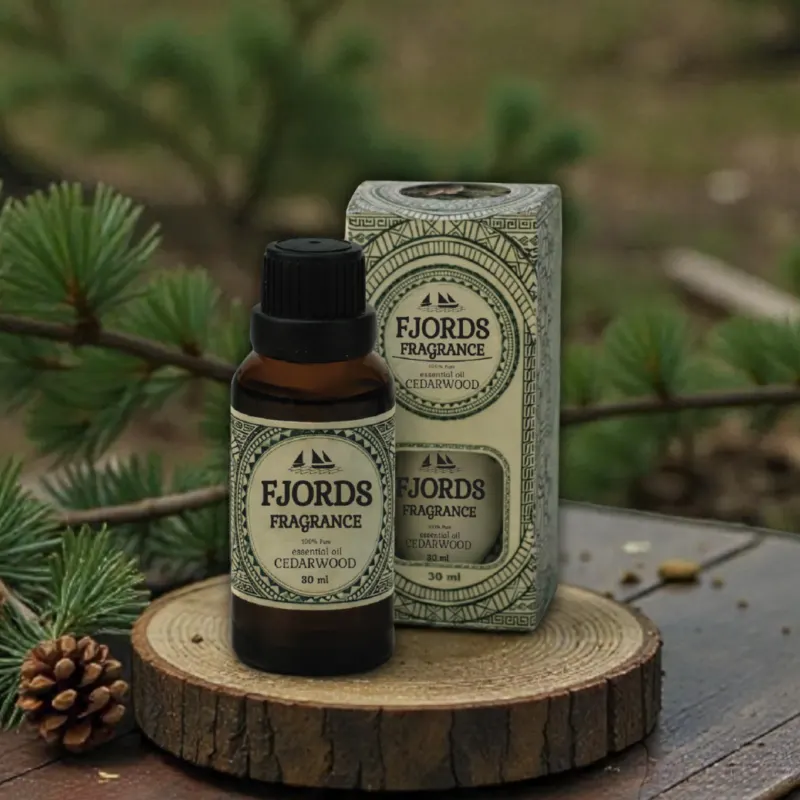
| Cedarwood | 3 : 2 | Grounded zest - soft wood holds the citrus in the air noticeably longer. |
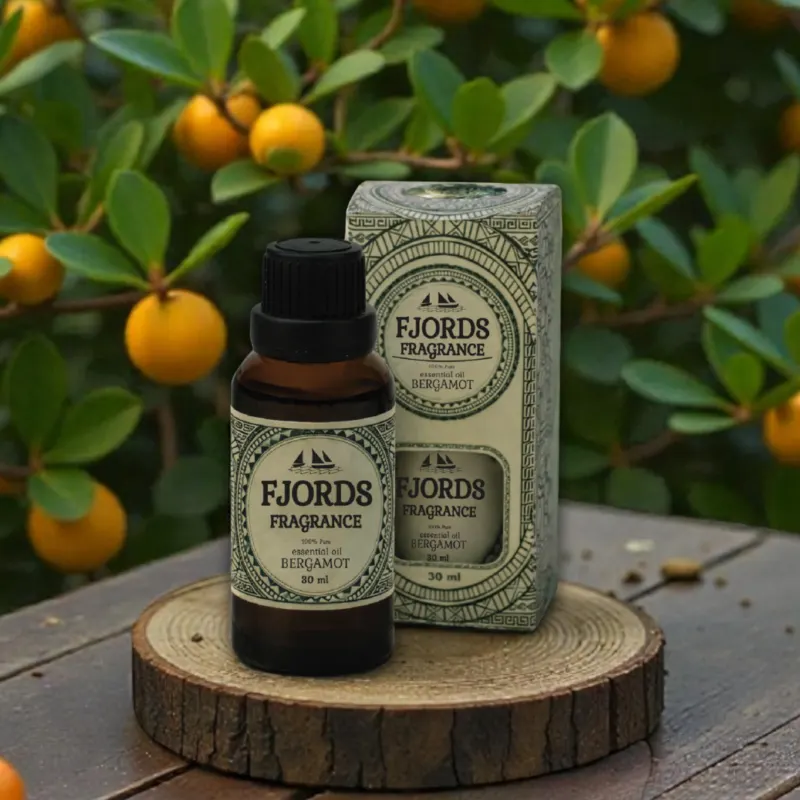
| Bergamot | 2 : 2 | Double citrus - rounder and more elegant than lemon alone, almost cologne-like. |
Every partner above is part of our range - browse the full collection in the shop.
Key Characteristics
| Feature | Description |
|---|---|
| Aroma Profile | Sharp, sparkling, fresh citrus zest with a fine bitter-green edge - a true top note. |
| Intensity | Medium - bright and penetrating at first, fading faster than woods or herbs. |
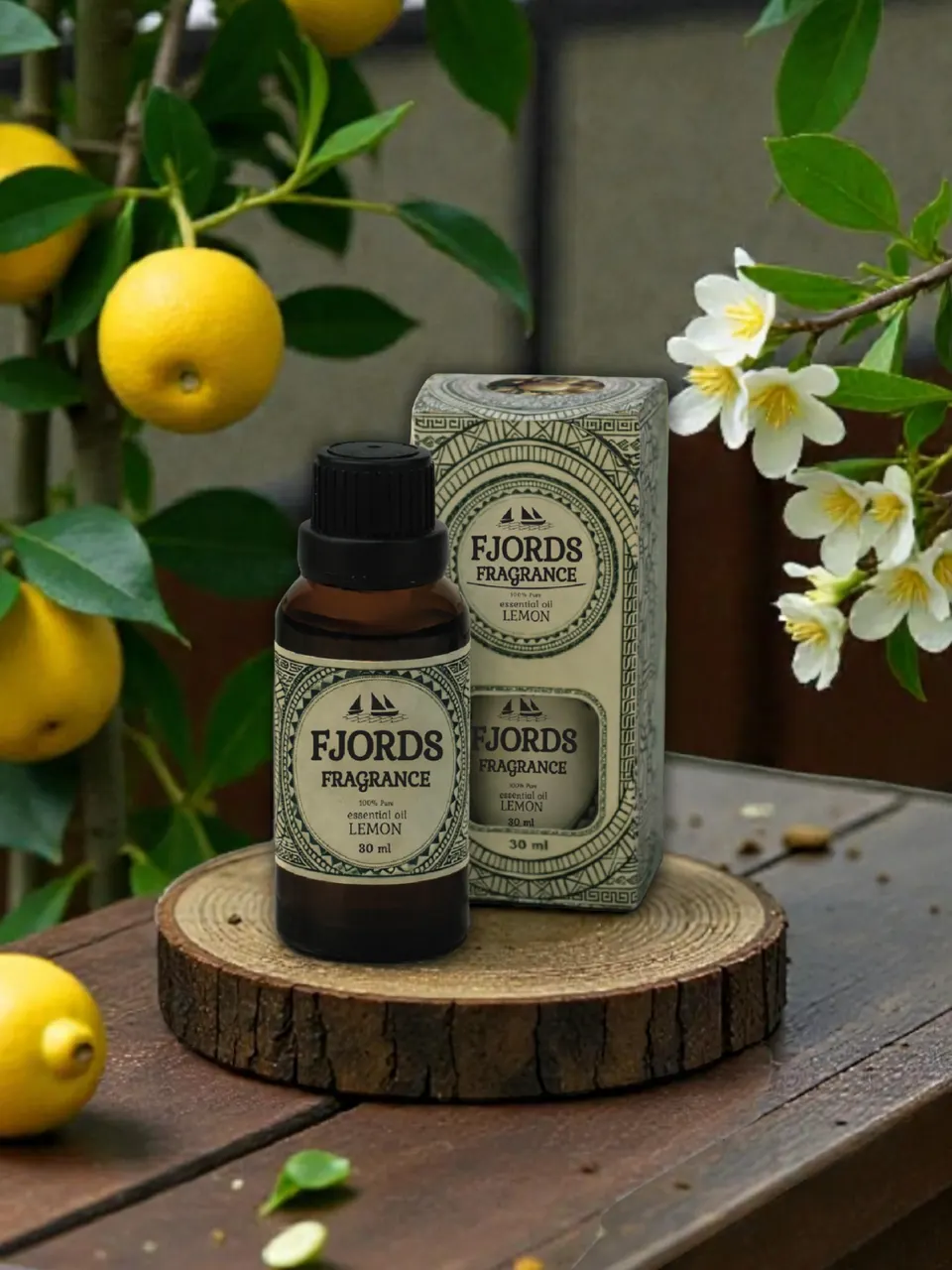
| Volume | 30 ml in UV-protective dark glass with a dropper. |
| Origin | Cold-pressed peel of Citrus limon from Mediterranean groves (Italy and Spain). |
| Shelf Life | 1-2 years unopened; best used within about a year of first opening - citrus oils oxidise faster than most, so store cool and tightly sealed. |
Storage and Quality
Citrus oils are the sprinters of the essential oil world: brilliant, and quick to age. The limonene that gives lemon its sparkle reacts readily with oxygen, so keep the bottle tightly closed, dark and cool - the refrigerator is genuinely a good home for an opened bottle.
Trust your nose on ageing: fresh lemon oil smells juicy and zesty, while oxidised oil turns flat and solvent-like. Oxidised citrus oil is also more likely to irritate skin, so once the sparkle is gone, retire the bottle from body-oil duty - it can still finish its days scenting a cleaning bucket. Our oil is 100% pure, cold-pressed Citrus limon with no synthetic additives, bottled in UV-protective dark glass and distributed by FJORDS FRAGRANCE OÜ.
Safety Information
- Photosensitivity warning - important: cold-pressed lemon oil contains natural furanocoumarins that react with UV light on skin and can cause burns or lasting dark spots. After any topical use, keep treated skin out of direct sunlight and away from tanning beds for at least 12 hours. Sauna steam and diffusion are not affected - this applies to skin application only.
- Aromatic and topical use only: never ingest lemon oil or any essential oil. Always dilute before skin contact and patch test first; citrus oils can irritate sensitive skin, especially once oxidised.
- Never on hot stones neat: undiluted oil on sauna stones is a fire risk. Always mix into water first.
- Pets: many essential oils are toxic to animals, citrus included - cats are especially vulnerable. Never apply oil to a pet, diffuse only in ventilated spaces your animal can leave, and store bottles out of reach. Ask your vet if unsure.
- Children and pregnancy: keep oils away from young children; if you are pregnant, nursing or managing a health condition, talk to a specialist before regular use.
- A scent, not a treatment: lemon is traditionally valued for its fresh, uplifting character, and that is how we sell it - as a fragrance. It does not treat, cure or prevent any condition. For health questions, consult a qualified professional.
Frequently Asked Questions
Q: How many drops of lemon oil should I use in the sauna?
A: 3-4 drops per 500 ml of warm water, poured over the stones in stages. Start with 3 drops and adjust to taste - and never put undiluted oil directly on hot stones.
Q: Why is lemon oil cold-pressed rather than steam-distilled?
A: The oil sits in tiny pockets in the peel and its top notes are fragile - heat flattens them. Cold pressing releases the oil mechanically, so it smells remarkably close to fresh zest.
Q: Why does the lemon scent fade so quickly?
A: Lemon is composed almost entirely of highly volatile monoterpenes, so it evaporates fast. Ladle in several small rounds, or blend it with a slower oil such as cedarwood or pine to hold it in the air longer.
Q: What does photosensitivity actually mean for me?
A: Compounds in cold-pressed lemon oil make skin temporarily hypersensitive to UV light. If you use it on your skin, even well diluted, keep that skin out of the sun and away from tanning beds for at least 12 hours. Diffusing and sauna steam do not carry this risk - it only concerns skin application.
Q: Can lemon oil really help me focus or feel more positive?
A: Many people find its bright aroma genuinely uplifting, and it has been traditionally valued as a morning and work-time scent. But we will be honest: it is a comforting fragrance, not a treatment, and we make no medical claims for it. For health concerns, consult a specialist.
Q: How do I know my lemon oil has oxidised?
A: Trust your nose - fresh lemon oil smells juicy and sharp, while oxidised oil goes flat and solvent-like. Oxidised citrus oil is more likely to irritate skin, so stop using it topically; it is still fine for scenting cleaning water.
Q: Is lemon oil safe to diffuse around pets?
A: Be careful. Citrus oils, like many essential oils, can be harmful to cats and dogs - cats especially. Diffuse only in ventilated rooms your pet can freely leave, never apply oil to an animal, and keep bottles out of reach. When in doubt, ask your vet.
Q: What is the difference between lemon and bergamot oil?
A: Both are cold-pressed, photosensitising citrus peel oils, but lemon is the sharper and cleaner of the two, while bergamot is rounder, softly floral and more perfume-like. Blended 2:2 they make a lovely cologne-style steam.